Dry fruits in honey: a jar of walnuts, apricots and figs
How to make a jar of dry fruits in honey with walnuts, dried apricots and figs: what to put in, how to fill the jar, how to keep it safely, and ways to eat it.
5 min read
On this page
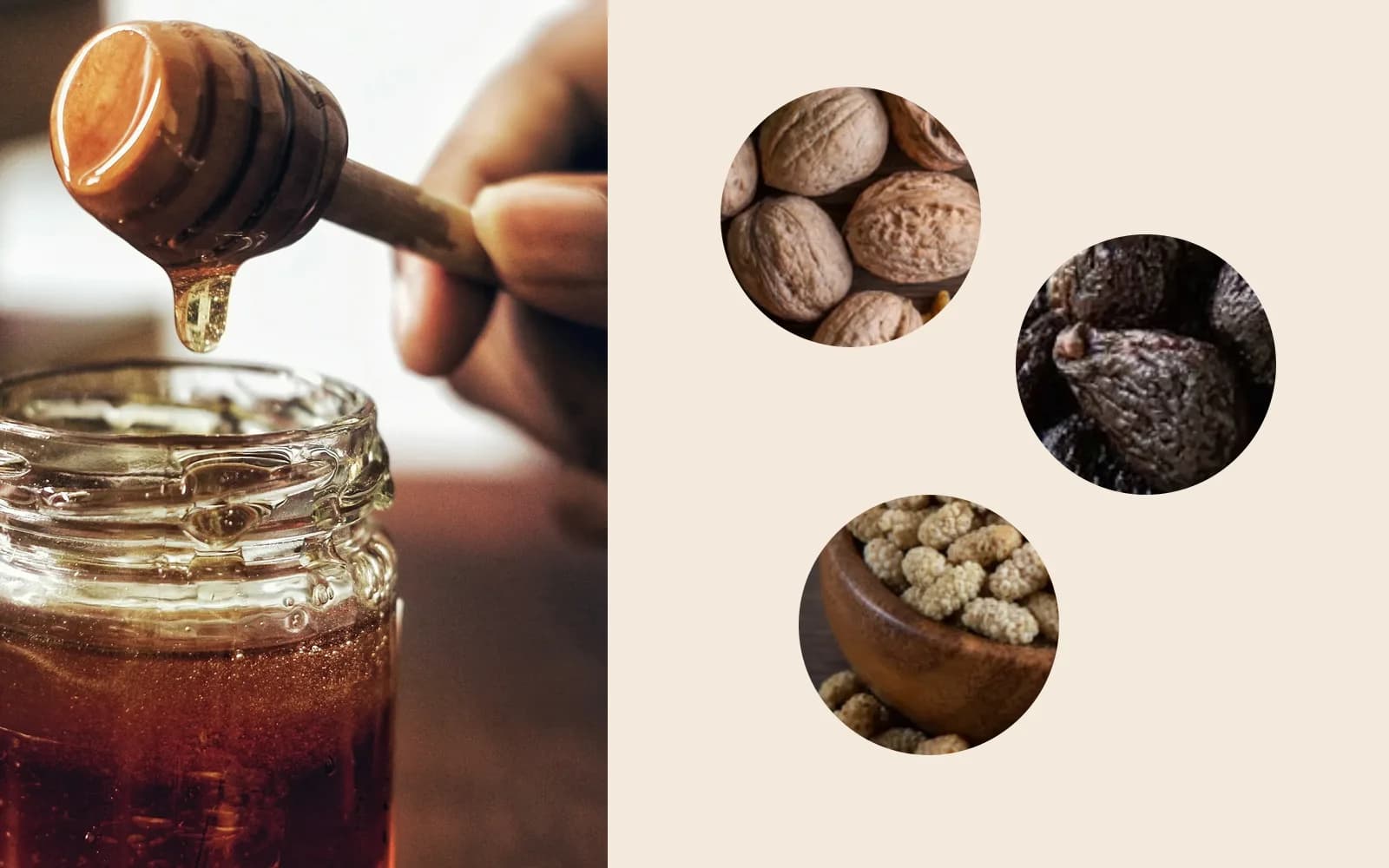
A jar of dry fruits in honey (شہد میں خشک میوے) takes ten minutes to make. Walnuts, apricots and figs sit in honey that slowly takes on their flavour, and a spoonful goes on yogurt, toast or paratha, or straight into your mouth. It also makes a good gift.
The one thing that matters is to keep water out of the jar. Here is how to make it, and how to keep it safely.
Choose the fruit
Use dried fruit and nuts only. Oregon State University's food-safety guide to flavouring honey explains why: "Dried spices, herbs, fruits and chiles and other vegetables all have little available moisture, which makes them safe for infusing honey." It adds that dried fruit "should be leathery and free of moisture pockets".
So check your fruit before it goes in. It should feel dry and leathery all over, with no damp or sticky patches. Don't add fresh fruit, fresh garlic or anything else fresh to this jar: the same guide explains that fresh ingredients hold much more water, and can only be used in small amounts, with special methods.
Good choices from our pantry:
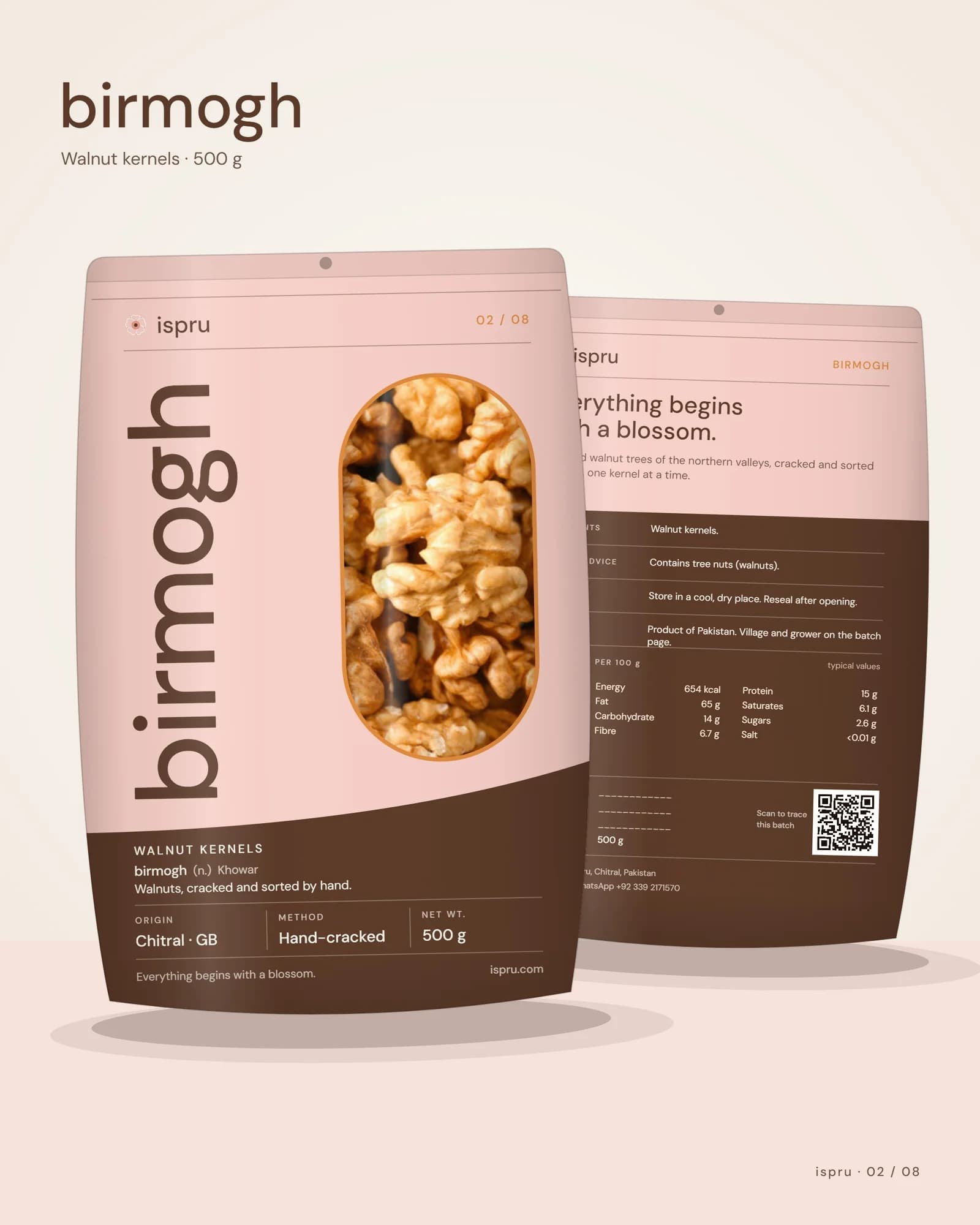
- Birmogh, walnut kernels, in halves.
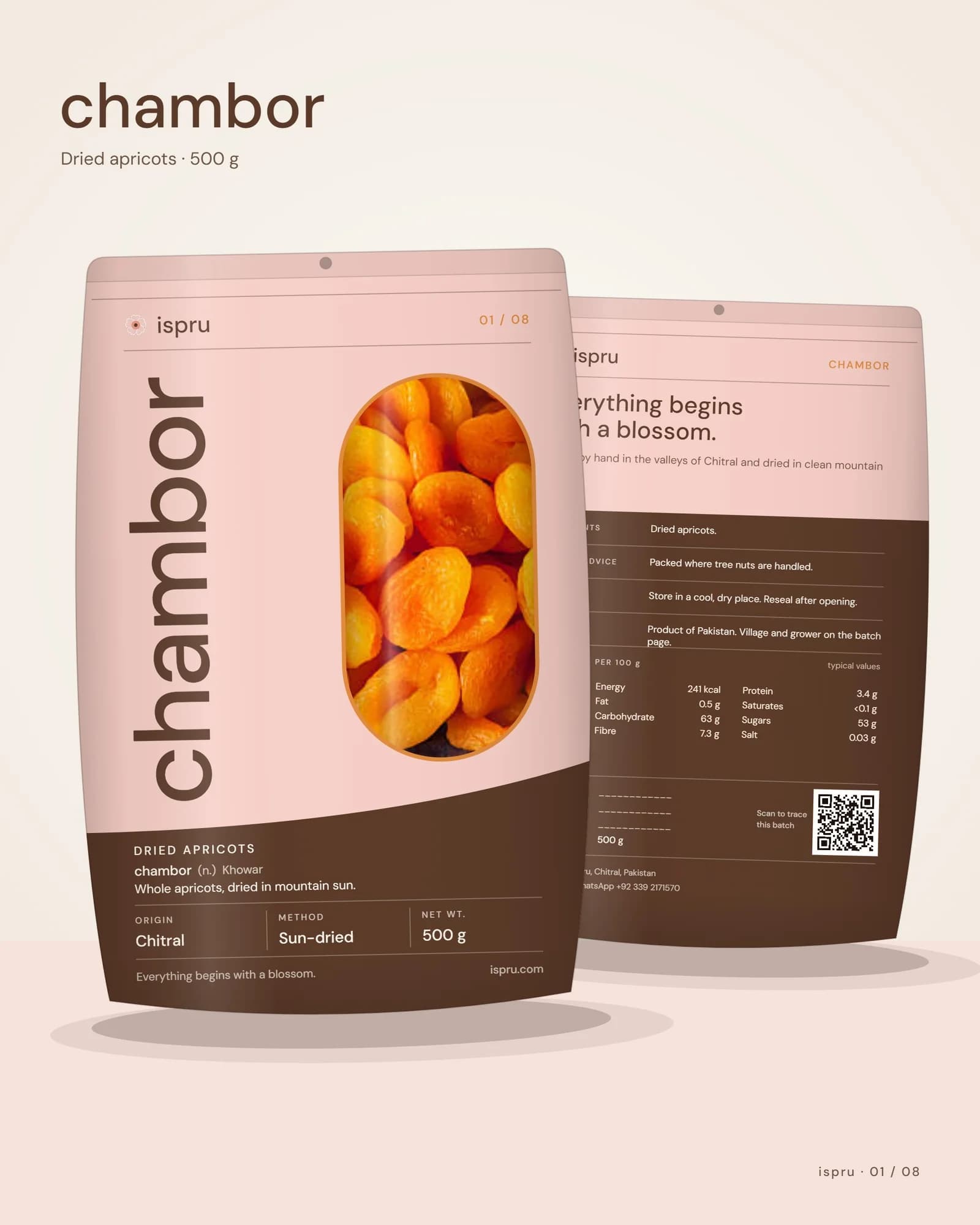
- Chambor, pitted dried apricots, whole or halved.
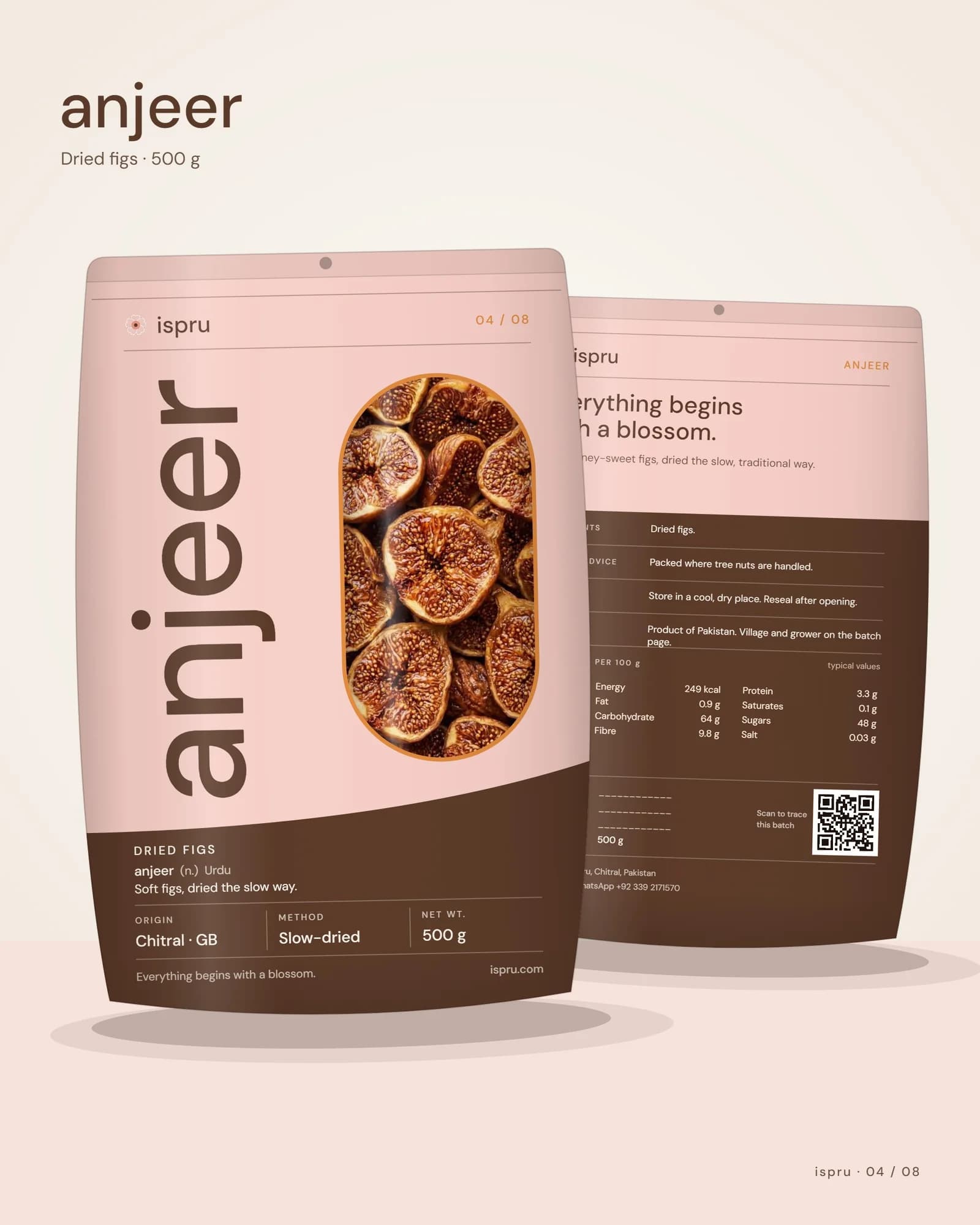
- Anjeer, dried figs, with the stalks snipped off, cut in halves or quarters.
- Shahtoot, dried white mulberries, a spoonful for sweetness.
Leave out zhol (sweet apricot kernels). Adults should eat no more than one or two small kernels a day, and they are not for children, which is hard to manage in a shared jar. Our guide to zhol explains why.
Fill the jar
- Wash the jar and lid in hot, soapy water, rinse them, and let them dry completely, inside and out.
- If you like, toast the walnuts in a dry pan over a low heat for 3 or 4 minutes, until they smell nutty. Let them cool completely.
- Put the walnuts, apricots, figs and mulberries into the jar in loose layers. Don't press them down: the honey needs room to run between them.
- Pour in the honey slowly, a little at a time, and let it sink into the gaps before you add more. Tap the jar on the table now and then, and push a clean, dry skewer down the sides to let out trapped air.
- Keep pouring until everything is covered, with about 1 cm of honey on top. Close the lid tightly.
Some pieces, especially the walnuts, will float up, which is normal. The guide suggests turning the closed jar over every so often, which helps "resubmerge any floating ingredients".
When to eat it
You can start eating it the same day. Over the following days and weeks, the honey slowly takes on the flavour of the fruit: the Oregon State guide notes that with dried ingredients, "flavor transfer may take several weeks".
Keep it safe
- Use a clean, dry spoon every time. Water is what spoils honey. The guide explains that if enough moisture gets in, microorganisms in the honey can "break dormancy and begin to grow".
- Keep the lid closed, and keep the jar at room temperature, out of the sun.
- Watch for bubbles. "If honey shows signs of fermentation, such as bubbling or sour odors, it has spoiled and should be thrown out."
- Make a small jar. The guide covers dried fruit and spices, not nuts. Walnut kernels are dry too, but their oil goes stale with time, which is why we keep our walnuts in the fridge. So make a jar you will finish within a few weeks, and taste a walnut now and then: if it tastes bitter or smells like paint, it has gone stale.
- Not for babies. The NHS says: "Do not give your child honey until they're over 1 year old." Occasionally, honey contains bacteria that can cause infant botulism, a very serious illness in babies.
- Mind nut allergies. If you give a jar away, put "contains walnuts" on the label.
If the honey turns thick and grainy, it has crystallised. That is normal, and it is still good to eat. Stand the jar in a bowl of warm water to make it runny again. Our post on crystallised honey explains more.
Ways to eat it
- A spoonful over yogurt, porridge or a bowl of khubani ka meetha.
- On toast, or folded into a warm paratha.
- With a slice of cheese, for a quick sweet-and-salty plate.
- Stirred into warm milk or tea. Let it cool a little first: our honey is best added to warm, not boiling, drinks.
- In a small bowl in the middle of a dry fruit platter, with a spoon.
Ways to change it
- With cardamom or cinnamon: add a few lightly crushed green cardamom pods or a piece of cinnamon stick. Whole dried spices are safe in honey too, and add a warm flavour.
- All walnuts: fill the jar with walnut kernels alone, for a simple walnuts-in-honey jar.
- As a gift: use a pretty jar, tie a ribbon around the lid, and add a label with what's inside, the date you made it, "contains walnuts" and "not for babies under 1 year old". For more ideas, read gifts from the north.
From the valleys
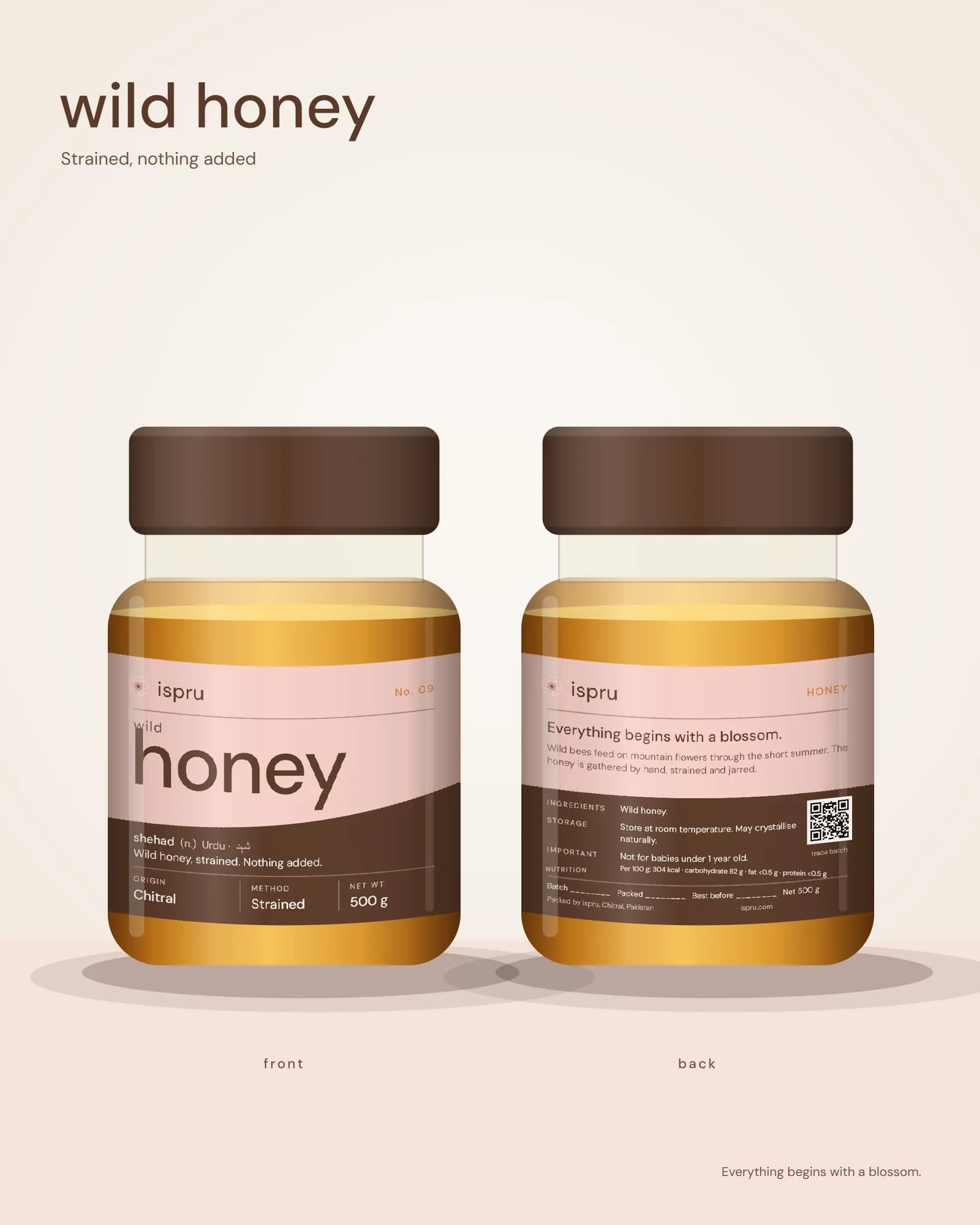
Our wild honey is gathered by hand in the high valleys of Chitral, strained and jarred with nothing added. A 250 g jar is enough for one jar of dry fruits. Pair it with birmogh, chambor and anjeer, or try a little of everything first with our tester kit.
Sources
- Oregon State University Extension, July 2026: Infusing honey safely (opens in a new tab) (EM 9885)
- NHS, page last reviewed 18 February 2026: Foods to avoid giving babies and young children (opens in a new tab)