The Kalash valleys: a guide to Bumburet, Rumbur, Birir and their festivals
A guide to the Kalash valleys of Chitral: Bumburet, Rumbur and Birir, the Kalasha people, their festivals from Chilam Joshi in May to Chawmos in December, and how to visit with respect.
10 min read
On this page
In the south of Chitral, three valleys, Bumburet, Rumbur and Birir, are home to the Kalasha people. Living in these remote valleys, UNESCO says, "the Kalasha people have carefully safeguarded their Indo-Aryan polytheistic religion, their unique ritual calendar, their traditional social organization, and their vibrant cultural identity". Here is an introduction to the valleys, their festivals through the year, and how to visit with respect.
Where the valleys are
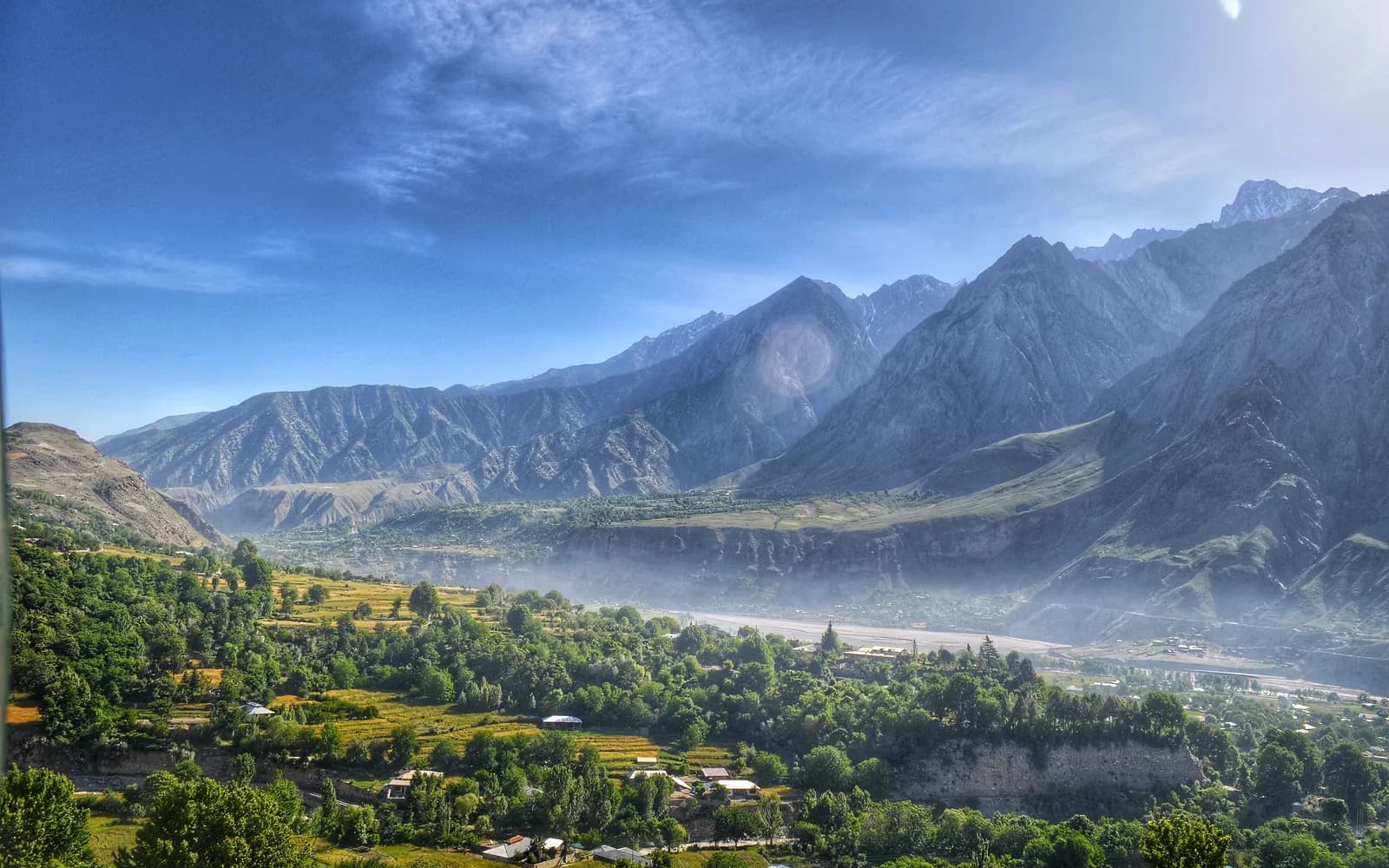
The Kalash valleys lie in the Hindu Kush, in the Lower Chitral district of Khyber Pakhtunkhwa. Dawn describes them as "three segregated, but contiguous valleys in south of the district, which borders the Nooristan province of Afghanistan".
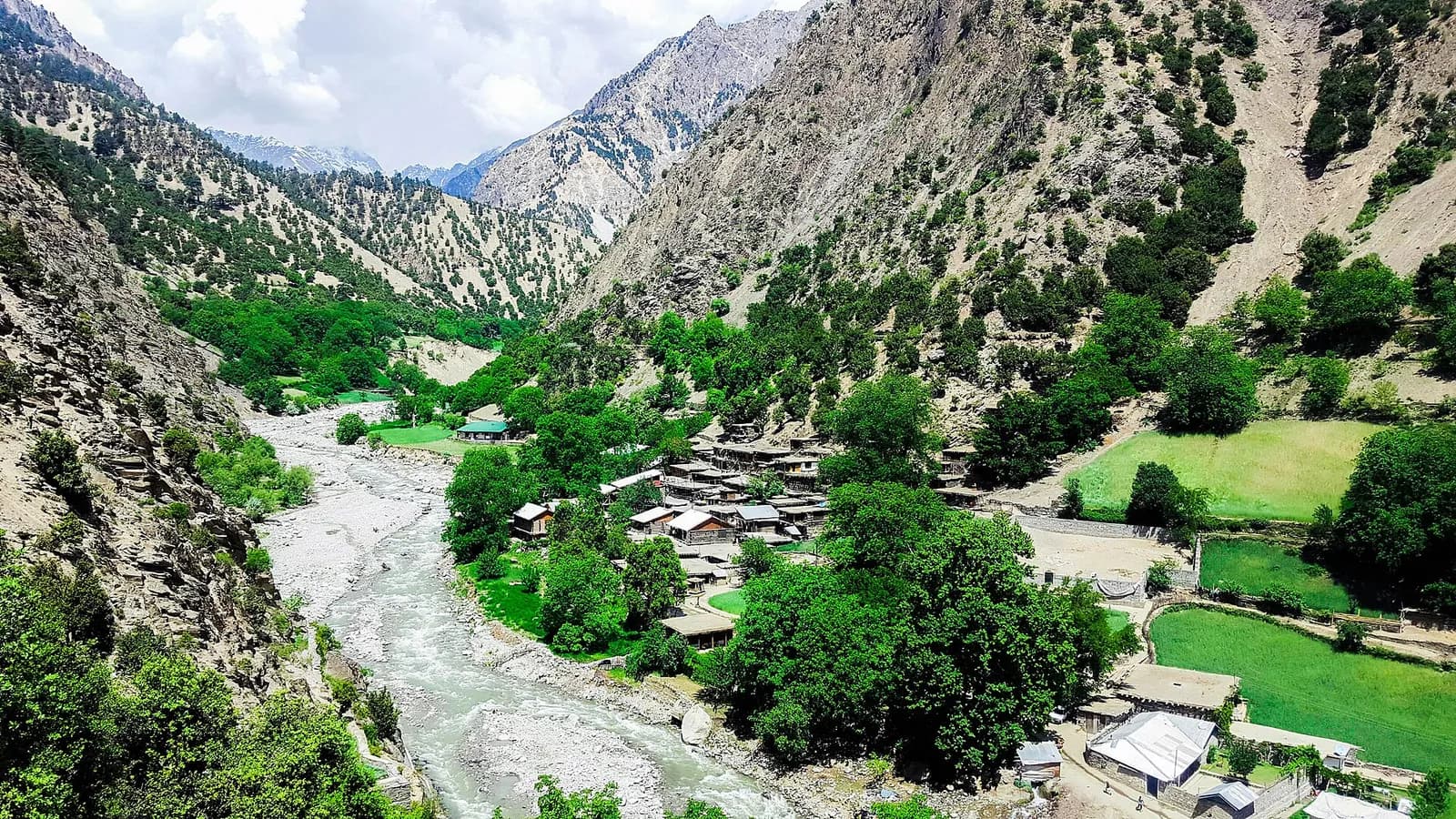
In the Kalasha language the valleys have their own names: Mumuret (Bumburet), Biriu (Birir) and Rukmu (Rumbur). Each has its own character:
- Bumburet is "the major Kalash valley", as Dawn calls it, and home to the Kalasha Dur museum.
- Rumbur "is well known for its milk products", the writer Maureen Lines noted in Dawn.
- Birir is "warm enough to grow excellent grapes", and Dawn has reported that "grapes and walnuts are the two major sources of sustenance" there.
The Kalasha
The Kalasha are a small community: Dawn put their number at "over 4,000" in 2026. They speak Kalasha, which linguists describe as "a Northwestern Indo-Aryan language". It was first written in Arabic script, but in 2000 a Latin-based script was adopted.
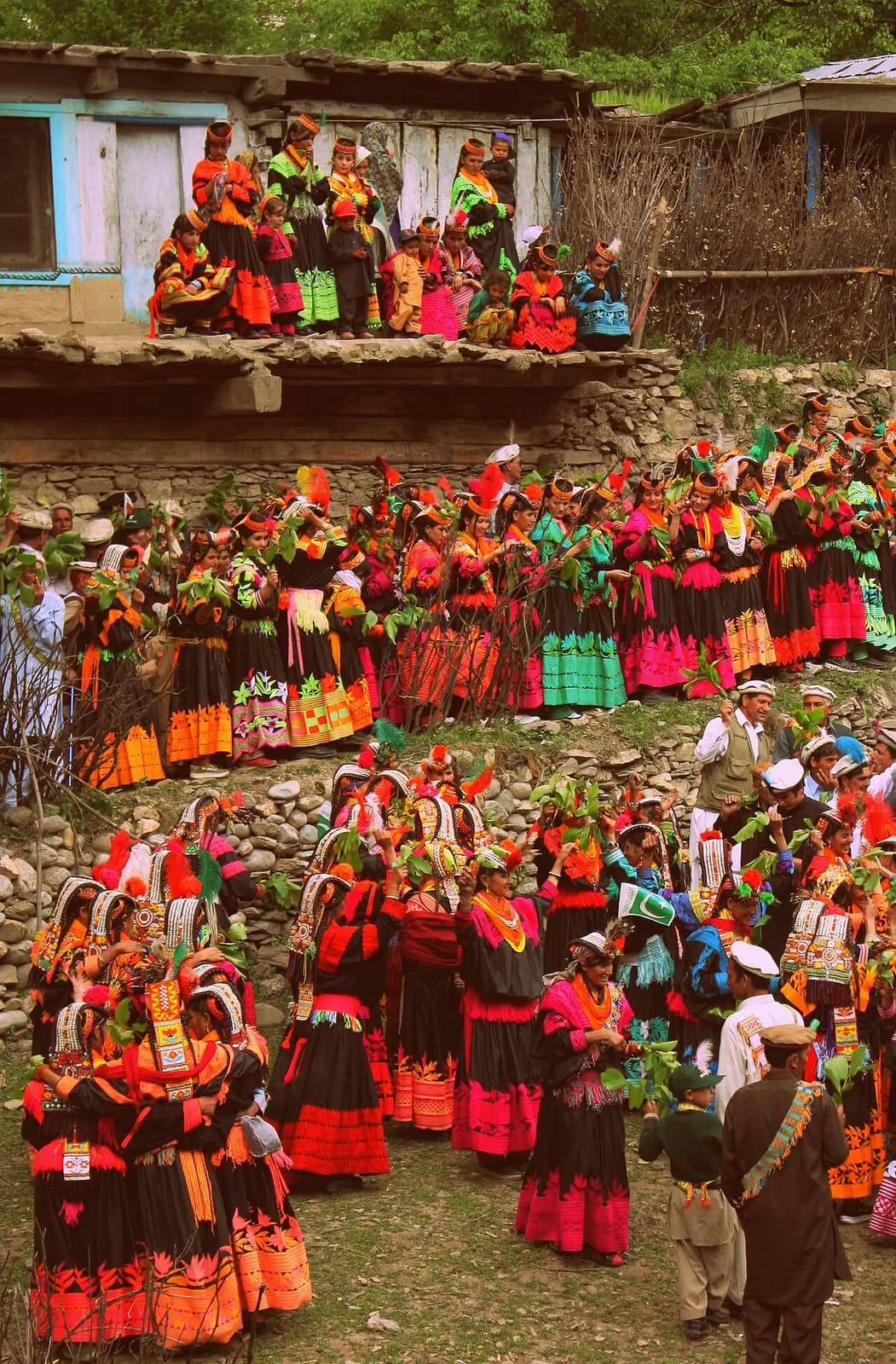
Their religion is their own. "Although they worship a creator called 'Desau', they also believe that trees, stones and streams all have souls," Dawn wrote in 2015. Kalasha women's traditional dress is an "embroidered black frock tied at the waist by a belt or sash". At festivals and on special occasions many also wear the kupas, a headdress of woven cloth decorated with beads, cowrie shells and small bells, on top of the everyday shushut headdress.
The Alexander legend
You may read that the Kalasha are descended from the soldiers of Alexander the Great. It is a popular story, but no more than that. Writing in the journal Acta Orientalia in 2011, the scholar Augusto Cacopardo showed that "such legends are not part of Kalasha traditional knowledge", and a 2015 genetic study noted that earlier DNA studies "provided no support for their claimed Greek descent".
Suri Jagek: watching the sun
The Kalasha calendar is kept by watching the sky. Suri Jagek, "literally translated as 'observing the sun', is the traditional Kalasha meteorological and astronomical knowledge system and practice", says UNESCO. It is "used to govern the Kalasha calendar by determining the dates of important social events, festivals, feasts and religious ceremonies".
In 2018 UNESCO inscribed Suri Jagek on its List of Intangible Cultural Heritage in Need of Urgent Safeguarding. In 2026, Pakistan added the Kalasha Valley Cultural Landscape to its Tentative List for World Heritage, a first step towards nominating the valleys.
The festivals through the year
The festivals follow the farming year. Exact dates can change from year to year, so check before you plan a trip around one.
Chilam Joshi, in spring
The spring festival, Chilam Joshi (also spelled Chilim Jusht), is "observed annually from May 13 to 16", according to the Express Tribune, and is celebrated in each of the three valleys in turn. Of all the Kalasha festivals, it is, Dawn wrote, "the most popular with tourists".
It begins with "milk day", when milk saved for ten days is offered. Young people go up to the high pastures to gather wildflowers and walnut leaves, the goat stables are decorated with them, and on the third day, Dawn reported in 2024, the villages "distributed dried mulberries and walnuts" during a ceremony for newborn babies.
Uchal, in summer
Uchal (also spelled Uchhal) is "a thanksgiving occasion to celebrate the successful harvesting and threshing of wheat and barley crops", Dawn reported in 2026. It also marks the end of summer in the high pastures, where, during a "three-month stay in the highlands", the Kalasha make cheese and ghee from goat milk. It is held in the second half of August: in 2024 it began on 20 August.
Pul, in autumn
Pul (also called Phoo) belongs to Birir alone, "marking the beginning of harvesting season of grapes and walnuts". Until a date fixed by the elders, usually in the second week of October, no one may pick grapes or walnuts, even from their own trees. Anyone who does, Dawn reported, "was fined by a watcher appointed by the community".
Chawmos, in winter
Chawmos (also spelled Chaumos, and called Chitramas) is the winter festival, and the longest. It "starts in the second week of December (usually from 8th)", Dawn reported, and lasts about two weeks: in 2024 it ran until 22 December. It ends with the Kalasha new year.
There are many rituals. Children carry "walnut bread baked exclusively for the occasion" to relatives in nearby villages. Figures of a markhor, shepherds and cows are made from flour and shared with neighbours. In the Mandahik ritual, Dawn wrote, people "light pinewood torches and observe five minutes of silence in memory of their deceased loved ones".
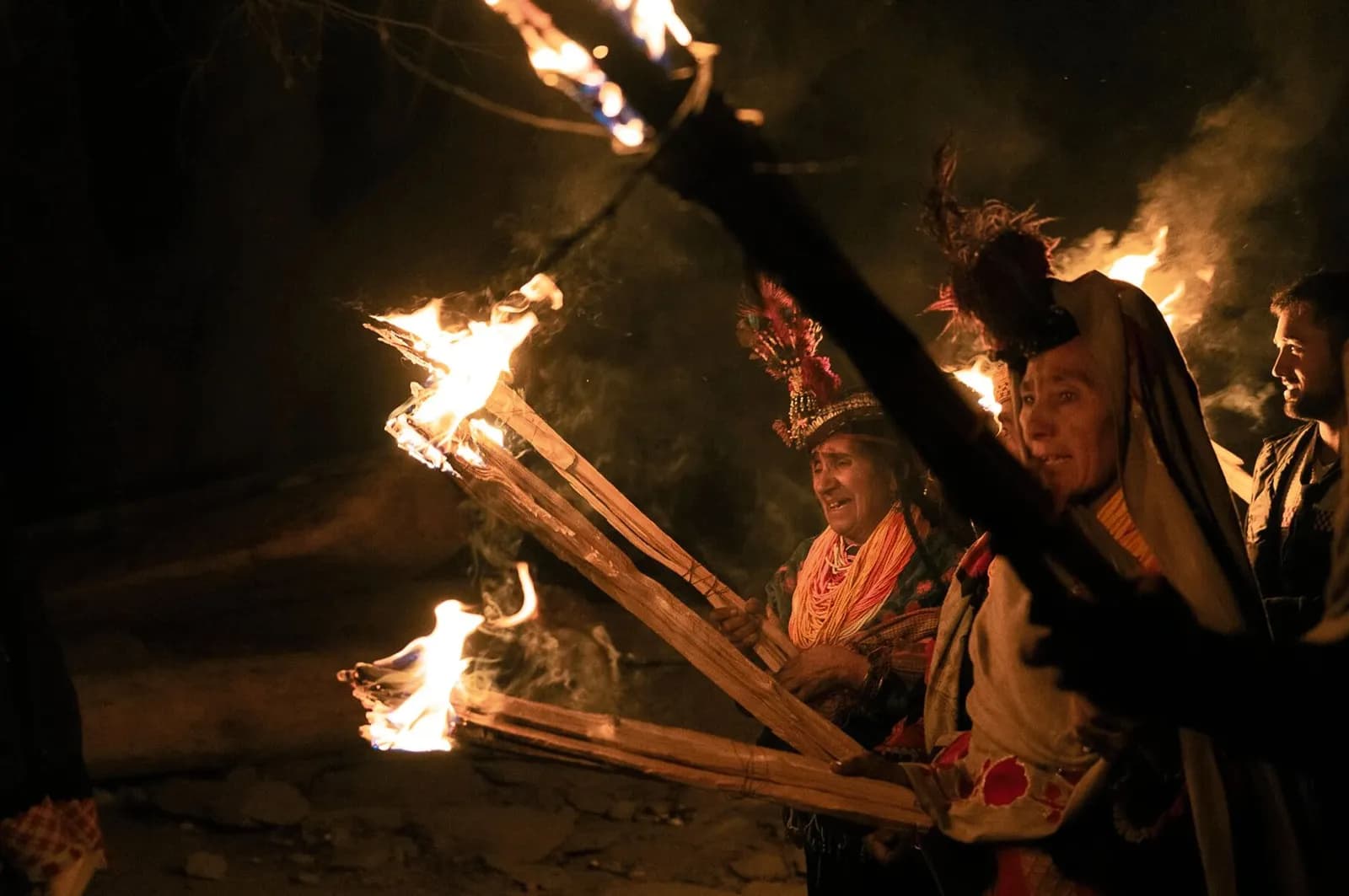
Chawmos is a religious festival first, and much of it is closed to outsiders. It "attracts very few tourists to the valleys, partly due to the ban on non-Kalash people entering their homes and partly because of the harsh weather", Dawn reported in 2024. For some days of the festival, the Kalasha of Rumbur and Bumburet do not meet non-Kalasha people at all. If you do go in December, keep to where you are told you may go, and expect snow and bitter cold.
Getting there
The valleys are reached by road from Chitral town. In 2015 Dawn wrote: "One needs a 4x4 vehicle for the two-hour drive from Chitral town to the Kalash Valleys." Since then, work has begun on a wider road into Bumburet from Ayun village, widening a jeep track Dawn described in 2024 as "hardly six-feet width". Roads here change with the seasons and the building work, so ask in Chitral before you set off.
When to go
Spring to autumn is the easiest time. In winter the roads can close after snowfall, and once Chawmos is over the hotels close for the season: in January 2025, Dawn reported that they "would reopen in April".
If you would like to see a festival, Chilam Joshi in May is the best known, Uchal falls in late August, and Pul is in Birir in October.
Visiting with respect
Visitors are welcome in the valleys, but the Kalasha have asked them to respect their privacy. In September 2025, elders told Dawn that outsiders were "disturbing their privacy within the very boundaries of their homes". As Yasir Kalash of the local hotels association put it to AFP in 2019: "If they don't respect us, we don't need tourists."
- Ask before you take a photo of anyone, and do not photograph women without their consent. Before the Uchal festival in 2024, the district administration banned "snapping of pictures of Kalash women without their consent".
- Visit homes only with a guide. The same order banned the "entry of tourists to Kalash habitat without authorised guides". In 2025 a tourist facilitation centre opened in Krakal village in Bumburet, and officials said trained guides would be available for visits to Kalasha homes.
- Do not camp, cook or leave litter in the open. These were banned in the same order.
- Keep away from the bashali, the house where women stay during their periods. It is off limits to men, and to women who are not menstruating.
- At festivals, watch from where you are told to, and do not join a dance or a ritual unless you are invited.
- Check the current rules before you go. They change from year to year, especially around festivals. The tourism helpline is 1422.
Kalasha Dur
Kalasha Dur, the "House of the Kalasha People", is a museum and cultural centre in Bumburet. It was built by a Greek charity, the Greek Volunteers, and opened in 2006. The museum has objects on Kalasha religion, culture and festivals, and a small library, and in 2016 it was run by Khyber Pakhtunkhwa's Directorate of Archaeology and Museums. Check that it is open before you visit.
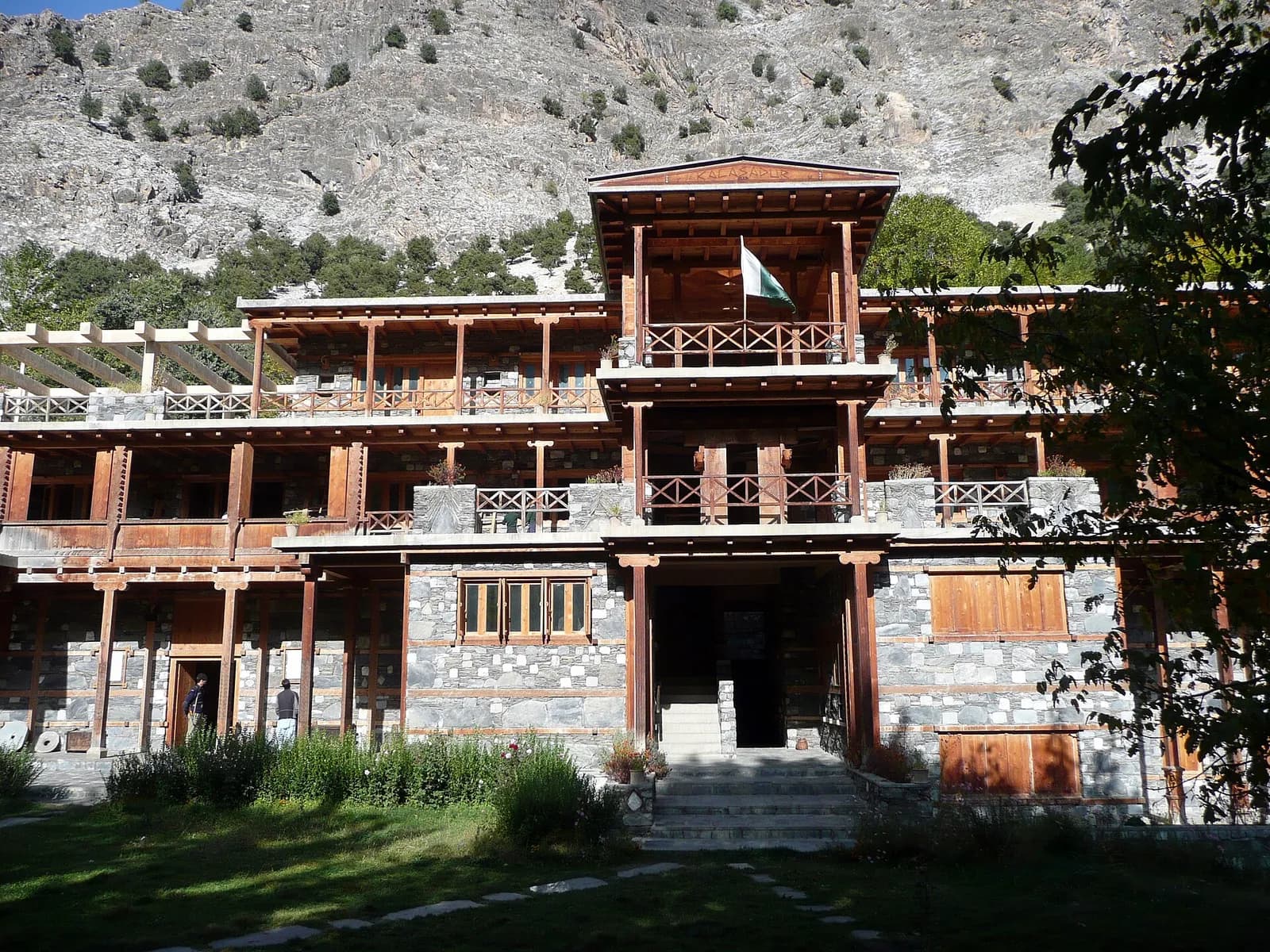
The harvest of the valleys
The festivals follow the harvest, and the harvest is much like the rest of Chitral's. In Bumburet, apricots are dried on flat roofs alongside white and black mulberries. Walnuts and grapes are gathered in autumn, and dried mulberries and walnuts are shared at the spring festival.
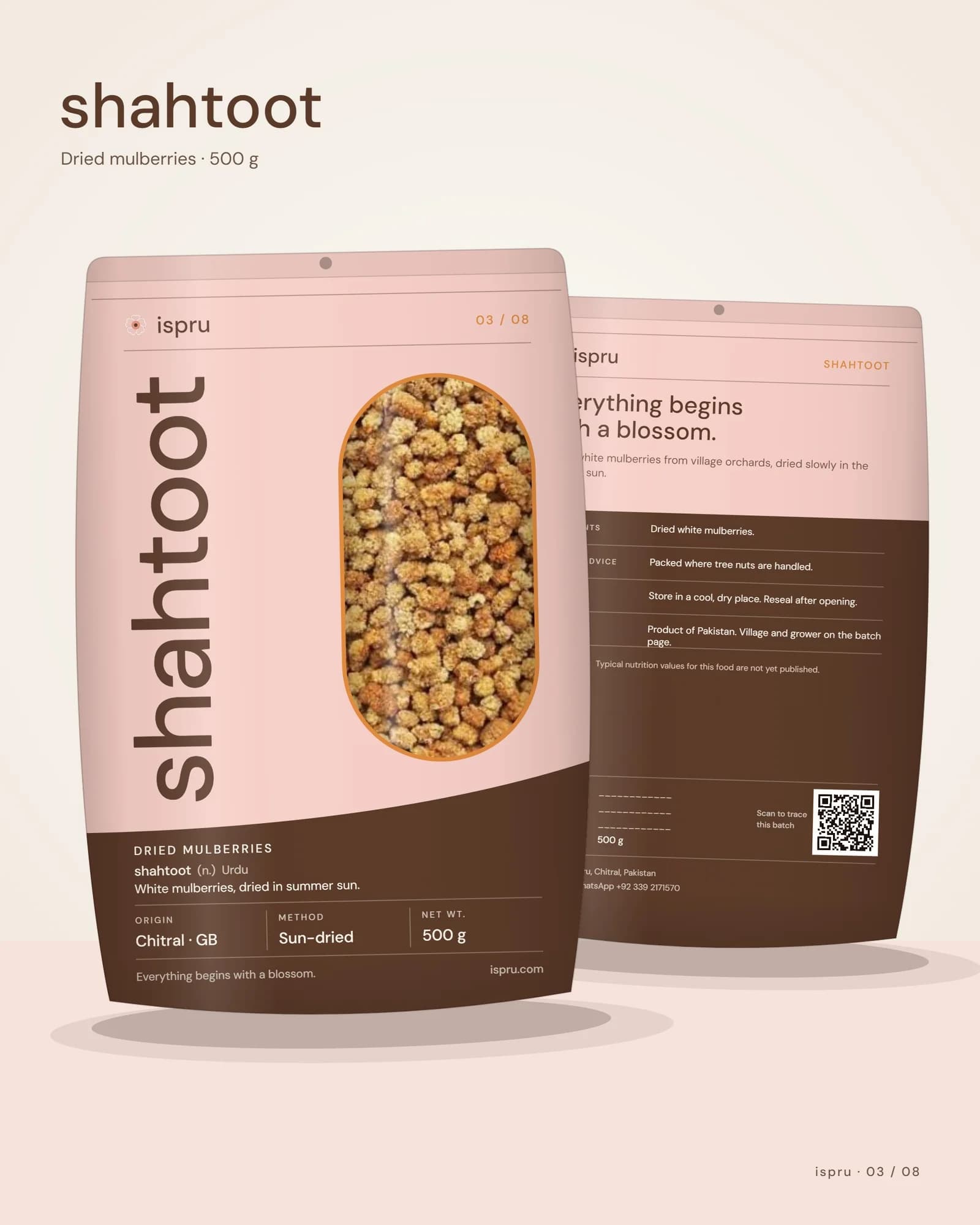
For a taste of the same harvest at home, our birmogh (walnut kernels) come from village trees in Chitral, and our shahtoot (dried white mulberries) and chambor (dried apricots) from Chitral and Gilgit-Baltistan. To read more about the region, see what Chitral is famous for and the ispru year.
Sources
- UNESCO World Heritage Centre, Tentative List, submitted 9 March 2026: Kalasha Valley Cultural Landscape (opens in a new tab)
- UNESCO Intangible Cultural Heritage, 2018: Suri Jagek (observing the sun) (opens in a new tab), and its nomination file (opens in a new tab)
- Dawn, 3 March 2019: The myth about declining Kalash population (opens in a new tab)
- Dawn, 23 December 2014: Footprints: Winter days of celebration (opens in a new tab)
- Dawn, 16 October 2014: 'Pul' festival marks start of grapes' harvest (opens in a new tab)
- Dawn, 28 April 2026: Chitral's Kalash Valleys added to Unesco's World Heritage Tentative List (opens in a new tab)
- Kochetov and others, Journal of the International Phonetic Association, 2020: Kalasha (Bumburet variety) (opens in a new tab)
- Dawn, 4 October 2015: Earthly matters: At the mercy of climate change (opens in a new tab)
- Horniman Museum: Headdress (kupas), object 2014.39 (opens in a new tab)
- Cacopardo, Acta Orientalia, 2011: Are the Kalasha really of Greek origin? (opens in a new tab)
- Ayub and others, American Journal of Human Genetics, 2015: The Kalash genetic isolate (opens in a new tab)
- Express Tribune, 15 May 2026: Kalash festival lights up spring celebrations (opens in a new tab)
- Dawn, 13 November 2016: A festival of fire and ice (opens in a new tab)
- Dawn, 14 May 2024: Chilim Jusht spring festival begins in Kalash valleys (opens in a new tab)
- Dawn, 23 August 2026: Kalash community celebrates Uchal festival (opens in a new tab)
- Dawn, 19 August 2024: Wheat harvest festival begins in Kalash valleys on 20th (opens in a new tab)
- Dawn, 17 October 2018: Kalash celebrate harvest festival (opens in a new tab)
- Dawn, 27 December 2015: Come winter, Kalash people go into virtual hibernation (opens in a new tab)
- Dawn, 9 December 2024: Chitramas winter festival begins in Kalash valleys (opens in a new tab)
- Dawn, 23 December 2024: Chitramas winter festival concludes in Kalash valleys (opens in a new tab)
- Dawn, 22 December 2012: New Year predictions, engagements highlights of Kalash festival (opens in a new tab)
- Dawn, 20 June 2024: NHA asked to redesign road passing through Bamburate valley (opens in a new tab)
- Dawn, 2 January 2025: Kalash valleys wear deserted look after winter festival (opens in a new tab)
- Dawn, 27 September 2025: KVDA stresses preservation of Kalash culture (opens in a new tab)
- Dawn (AFP), 11 June 2019: Kalash community battles tourism deluge (opens in a new tab)
- Dawn, 21 July 2025: Week-long activities set stage for tourism promotion in Kalash valleys (opens in a new tab)
- WHO Eastern Mediterranean Health Journal, 2025: Assessment of menstrual knowledge, beliefs and hygiene practices among ethnic groups in isolated populations in Pakistan (opens in a new tab)
- Express Tribune, 17 December 2025: Kalash tribe celebrates Chaumos Festival across Chitral valleys (opens in a new tab)
- Dawn, 13 May 2006: Kalash cultural centre opened (opens in a new tab)
- Dawn, 12 October 2016: Kalasha museum and school (opens in a new tab)
- Dialogue Earth, 30 November 2023: Pakistan's indigenous community left to battle disasters by drawing on conventional wisdom (opens in a new tab)