Famous food of Hunza: traditional dishes to know and try
Hunza's famous food, from chapshuro and phitti bread to molida, harissa and apricot soup; why apricot oil is in so much of it; and where visitors can try it.
5 min read
On this page
Hunza's cooking is simple and hearty: breads baked in the embers, soups, fresh cheese, and the apricot in almost everything. Here are the dishes the valley is best known for, as described by cooks and writers from the region, and where visitors can try them.
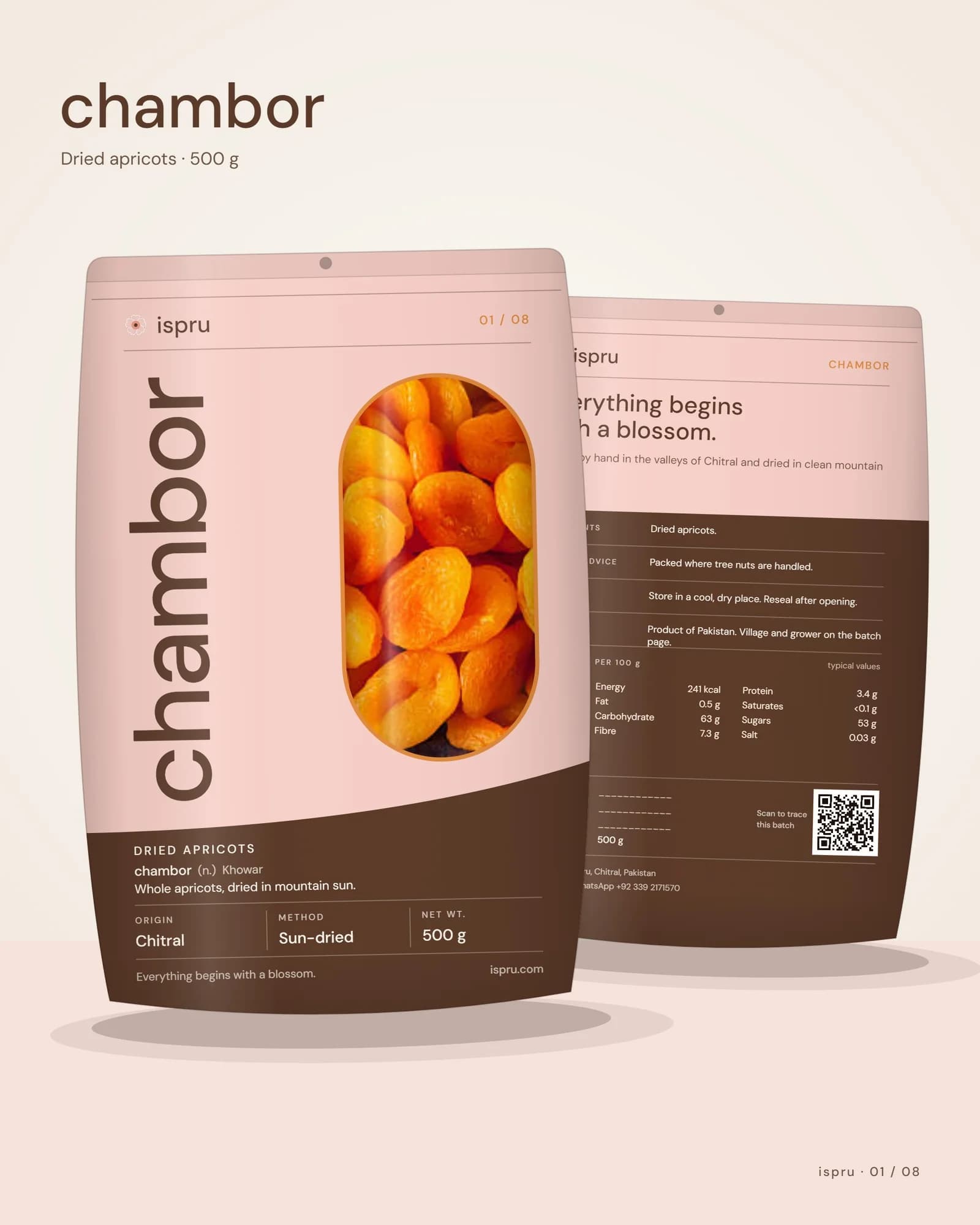
Apricots and apricot oil
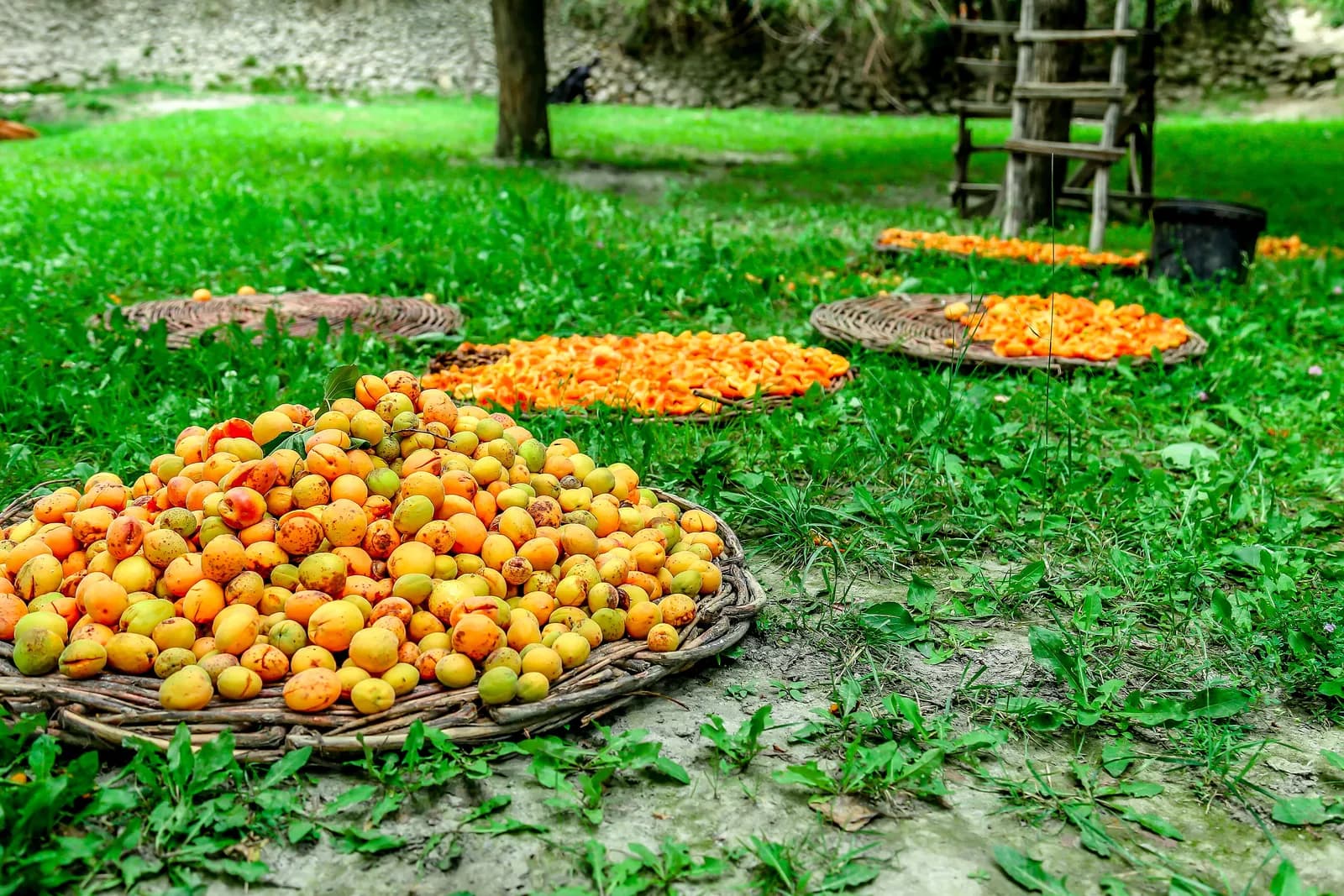
"The valley is known for its abundance of apricots, most of which are collected in late summer to dry in the sun on rooftops, walls and boulders," wrote the anthropologist Julie Flowerday in Saudi Aramco World. "Dried apricots are a favorite snack and an ingredient for soups and juices."
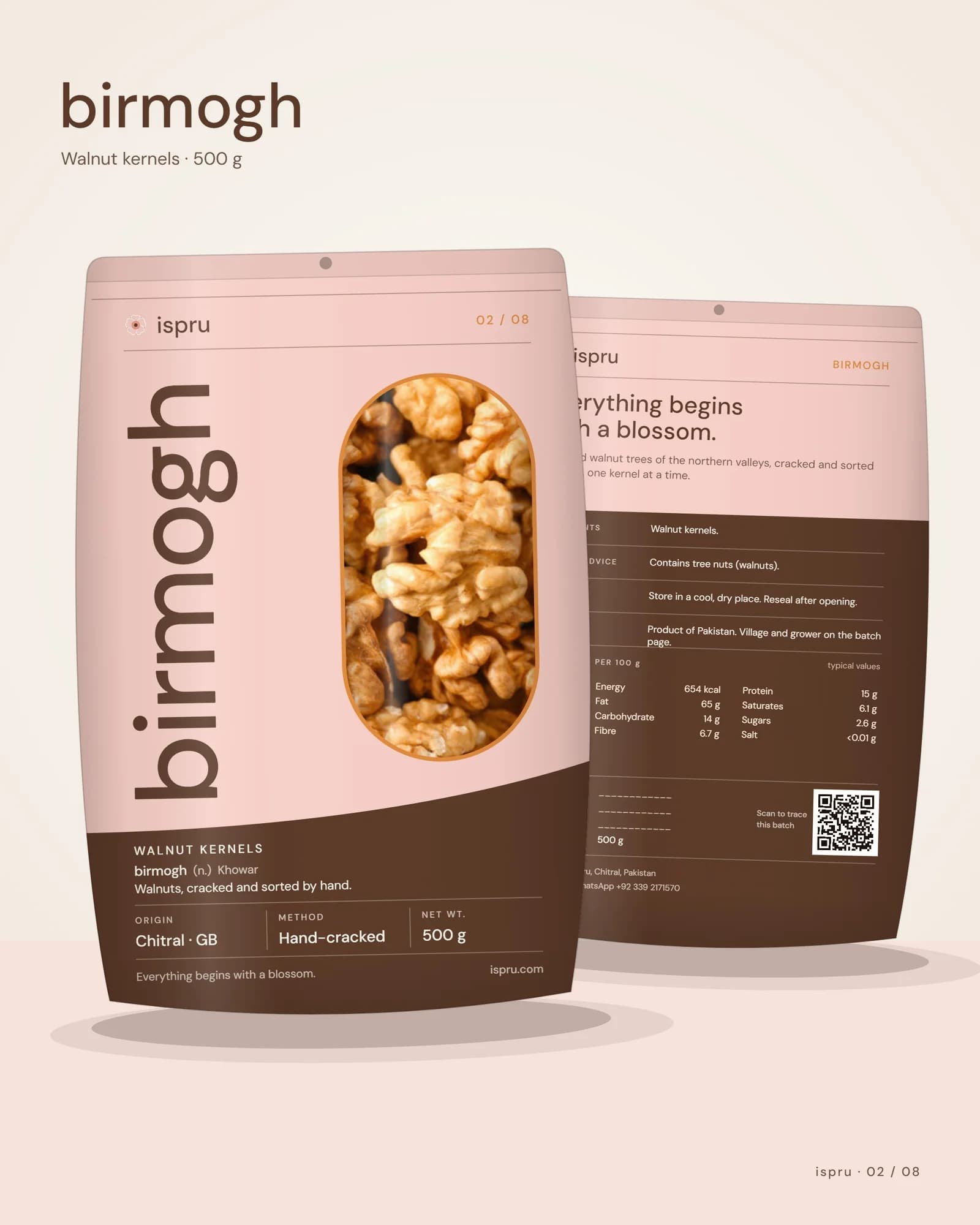
The kernels inside the stones are pressed for oil, traditionally by hand. There is a sweet apricot oil and a bitter one: "The sweet is for cooking; the bitter is a beauty product for skin and hair." Home-pressed apricot, almond or walnut oil is what most Hunza cooks use, and a spoonful of apricot oil finishes many of the dishes below.
Breads
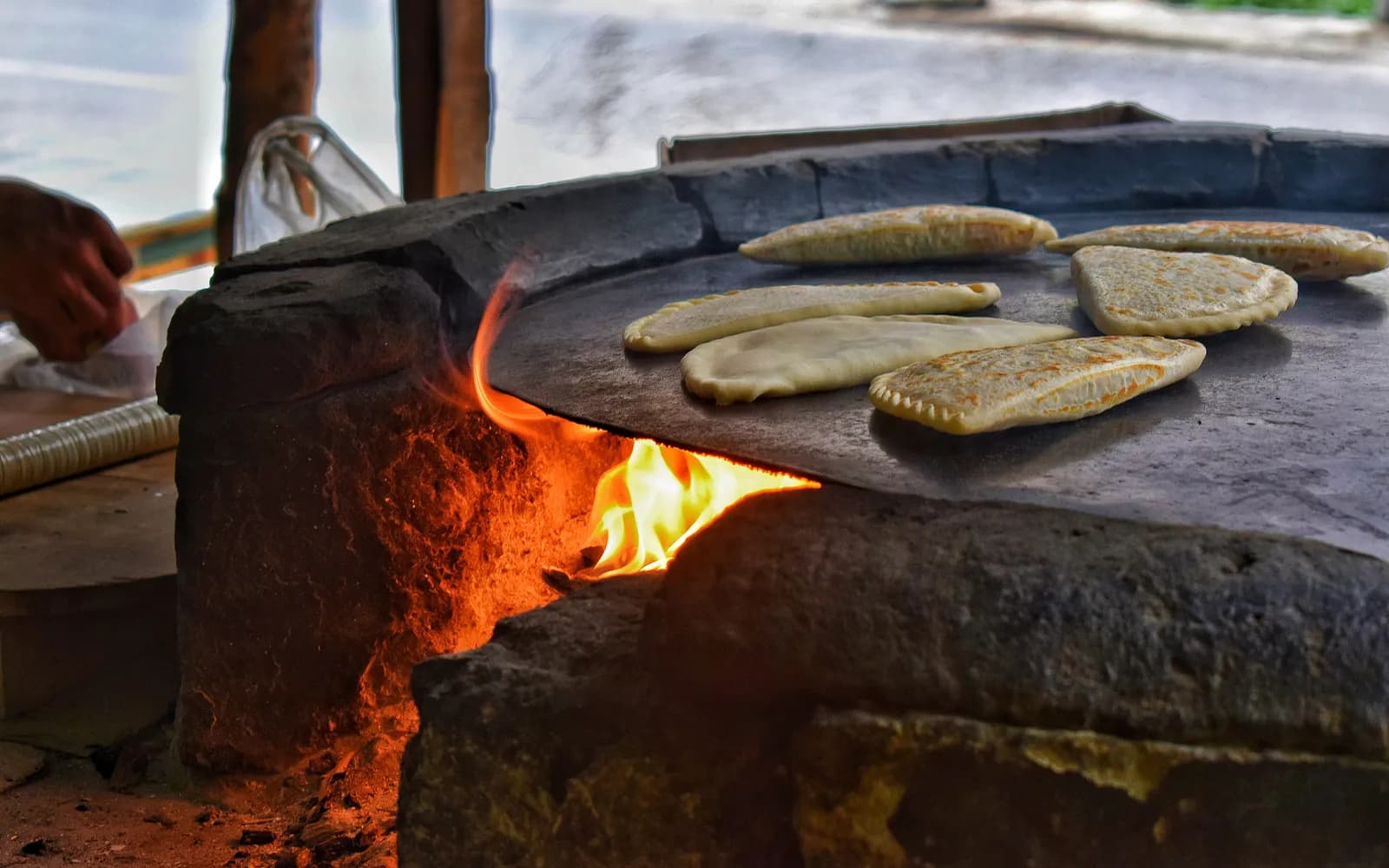
Chapshuro. "The most recognized and widely-eaten dish in the region is Chapshuro often referred to as Hunza pizza," writes the High Asia Herald. It is a filling of meat, ginger, garlic, onions and green chillies pressed between two thin flatbreads and cooked until crisp, traditionally in walnut oil. Try our chapshoro recipe.
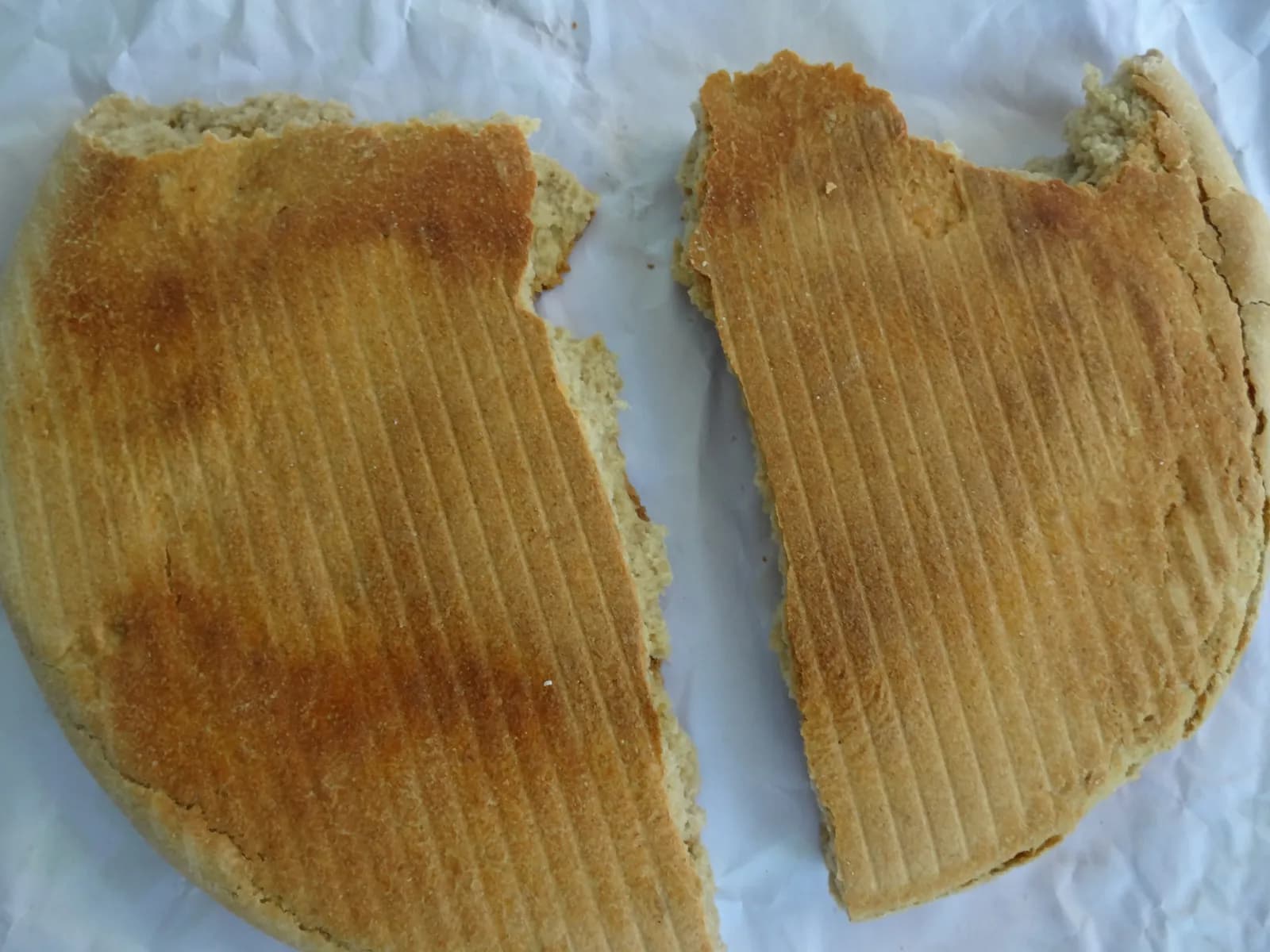
Phitti. "Phitti is probably the most famous of all Hunza breads and a common breakfast food," according to Saudi Aramco World: a crusty wholewheat bread, tucked into the embers of the hearth to bake overnight. In Wakhi it is called ptok.
Diram phitti. A bread made from sprouted wheat flour, which gives it a natural sweetness, served with butter, almond or apricot oil. Writers from the region describe it in slightly different ways, and recipes vary from home to home.
Giyaling. Hunza pancakes, made from wholemeal flour and served with apricot, almond or walnut oil and fresh butter. Saudi Aramco World notes that they are the traditional dish made when a daughter visits her parents' home after her marriage.
Dishes for special days
Molida. Shredded flatbread cooked with rehydrated cheese, with apricot oil on the side. It is made for noteworthy occasions and special guests.
Harissa. "Harissa or dalya is a dish served on special occasions," writes the High Asia Herald: half-crushed wheat cooked with meat, with a good helping of apricot oil.
Soups
Apricot and noodle soup. Called battering-a-dawdoo in Burushaski and qaq-e-moch in Wakhi, it is made with dried apricots and homemade noodles: "a unique blend of sweet and savoury".
Dawdoo. A very common soup of chicken stock and homemade noodles.
Cheese, dumplings and sweet things
Burutz. A fresh cheese, "similar to a fresh cream cheese or cottage cheese". Mixed with herbs and spread inside a chapati, it makes burutz berikutz, which Saudi Aramco World compares to a Mexican quesadilla.
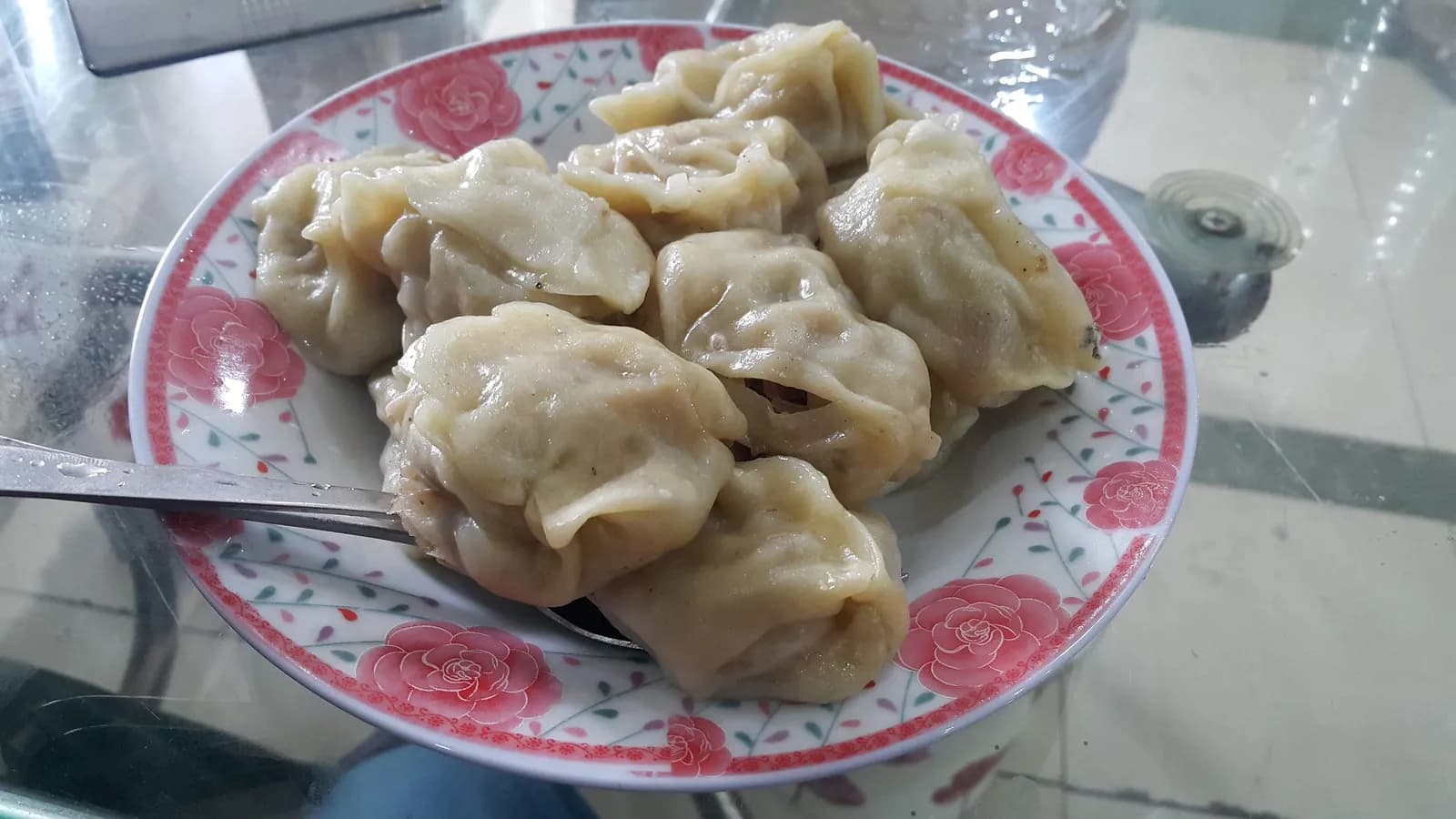
Mamtu. Steamed dumplings filled with chopped onion, fresh herbs, chilli, garlic and meat.
Chhamus. A homemade juice of dried apricots, which, Saudi Aramco World says, is traditionally "kneaded by hand for hours until the apricots become soft".
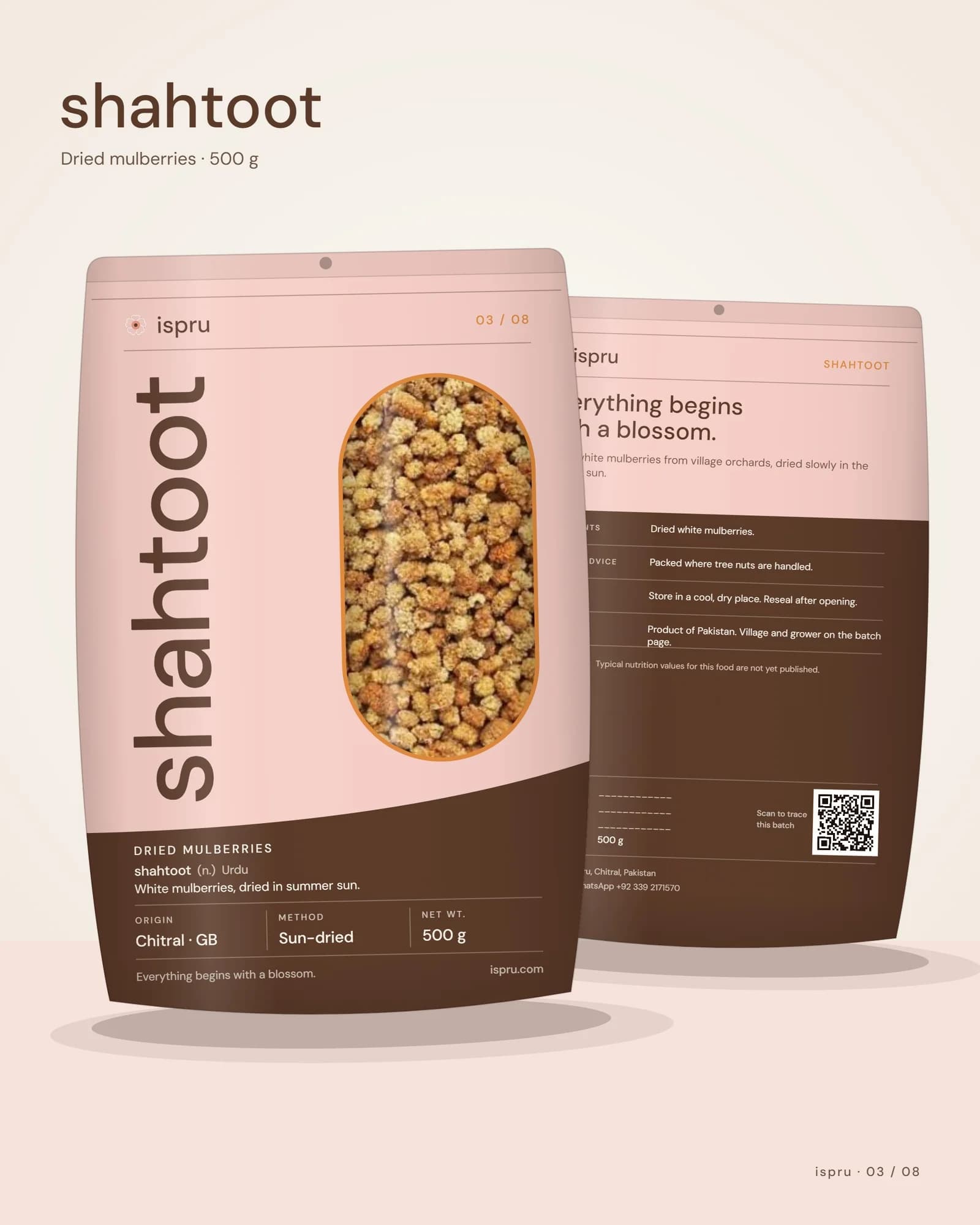
Qanda. Mulberry syrup, eaten with bread and melted homemade butter.
Walnut cake. Not an old dish, but a famous one: Café de Hunza, a favourite with visitors, is known for the Hunza walnut cake its late owner helped create, a dense, pastry-like cake with a caramel walnut filling. Our walnut cake is a simpler loaf to bake at home.
Where to try it
Several restaurants in Hunza serving local food are run by women:
- Kha Basi Café, at the foot of Altit Fort, run entirely by women.
- Hunza Food Pavilion in Karimabad, where owner and chef Lal Shahzadi serves traditional Hunza food.
- Bozlanj Traditional Restaurant in Gulmit, near the polo ground, run by three women.
- Café de Hunza, for the walnut cake.
These were open when the articles below were written, but places change, so check before you go.
The long-life story
You may have read that the people of Hunza live to well over 100, thanks to their diet. It isn't true. A 2011 review of longevity myths in Current Gerontology and Geriatrics Research names the Hunza Valley among places whose famous claims of long life were "finally debunked by objective scientific investigation in the early 1980s". And as Pakistan's Soch Fact Check put it in 2023: "Apricot seeds do not prevent or cure cancer, but can be harmful due to their cyanide content." If you eat apricot kernels, please read our guide to eating them safely.
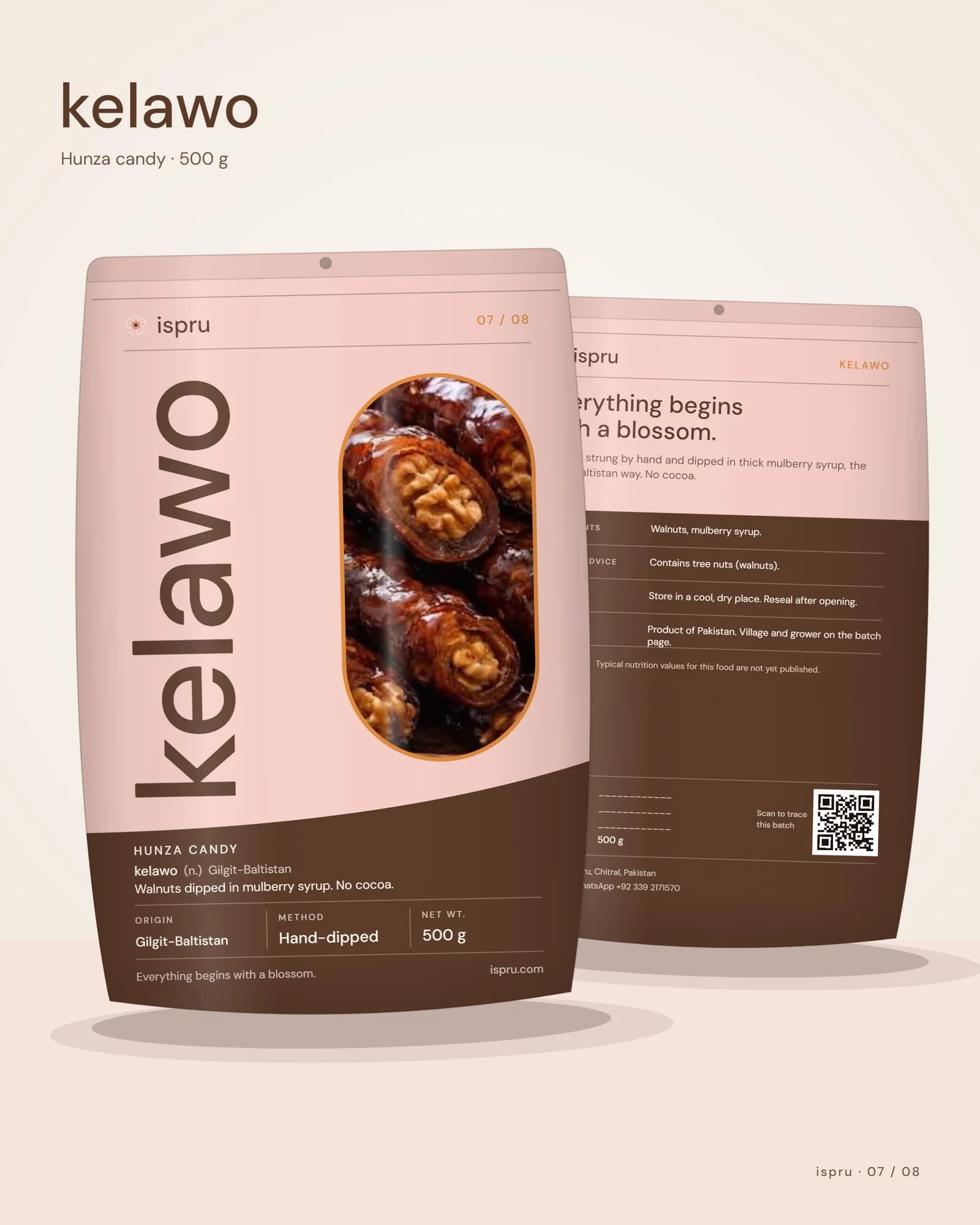
Hunza's food needs no myths: it is good to eat. To taste the valley at home, try our chambor, dried in the mountain sun, or read about kelawo, the Hunza candy.
Sources
- Saudi Aramco World, May/June 2006: Cooking in Hunza (opens in a new tab) and its recipes (opens in a new tab)
- The High Asia Herald, June 2020: More than 'ethnic' cuisines, part I (opens in a new tab), part II (opens in a new tab) and part III (opens in a new tab)
- SOCH Outreach Foundation on Google Arts & Culture: Traditional foods of Hunza and Gilgit-Baltistan (opens in a new tab) and Hunza Food Pavilion (opens in a new tab)
- Dawn, 16 January 2022: Cuisine: the three chefs of Gulmit (opens in a new tab)
- Images, 5 November 2016: My magical holiday in Hunza will inspire you to hit the road (opens in a new tab)
- Images, 4 June 2017: Owner of tourist hotspot Cafe de Hunza passes away (opens in a new tab)
- The News on Sunday: The mighty Hunza food journey (opens in a new tab)
- Young and others, Current Gerontology and Geriatrics Research, 2011: Typologies of extreme longevity myths (opens in a new tab)
- Soch Fact Check, 1 August 2023: People from Hunza are not cancer-free due to apricot seeds (opens in a new tab)